
Scott Riswold
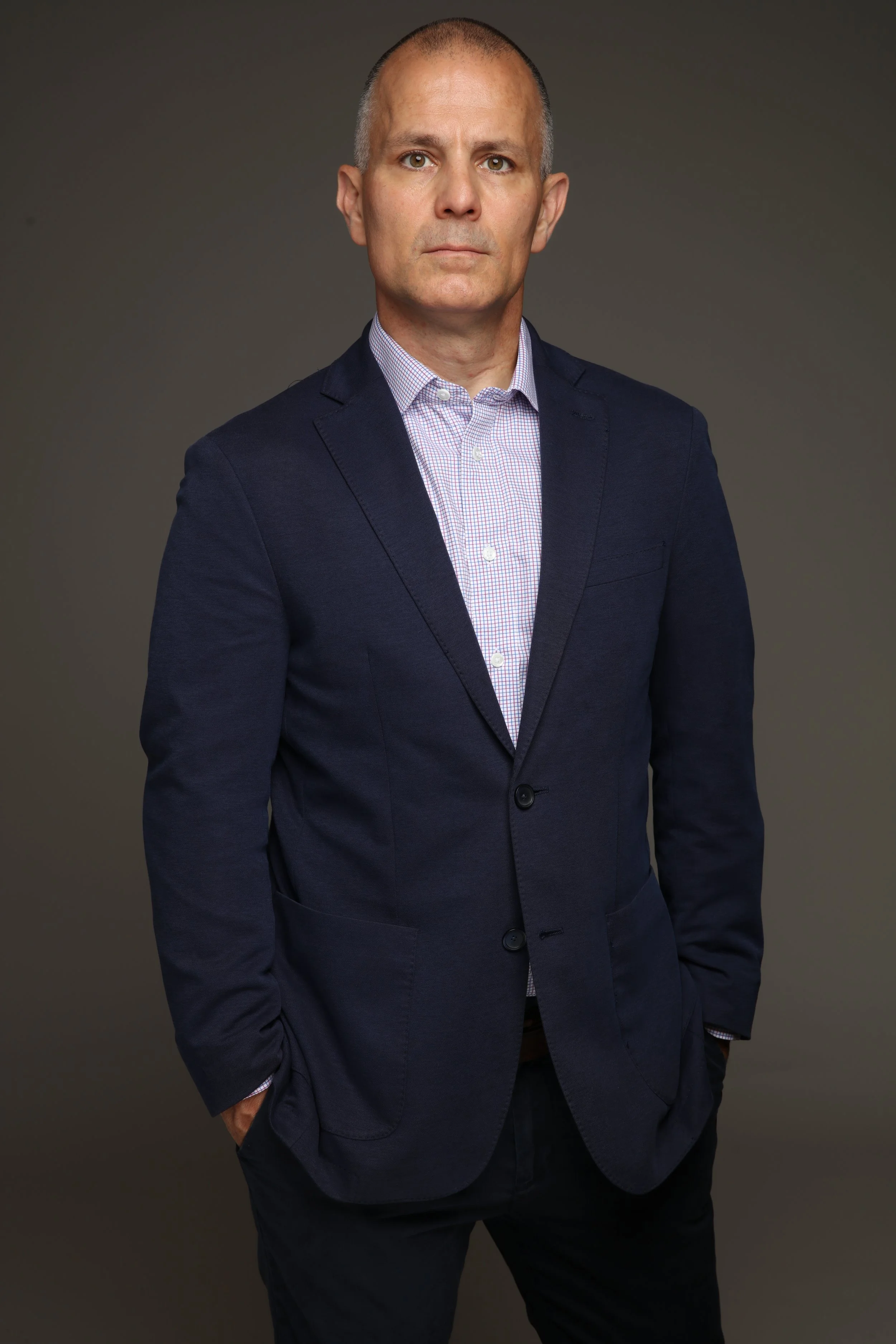
Nine countries. Four continents. Thirty years in the rooms where consequential things happen.
Scott is a private envoy. A senior American diplomat, currently serving, whose career spans Lagos, Taipei, Kabul, Addis Ababa, Bangkok, Washington DC, Beijing, London, and Manila.
The foundation behind this practice began earlier than either career. Growing up in rural South Dakota, Scott watched his father build genuine connections with people from every walk of life. Status never mattered. Titles never mattered. What mattered was curiosity, respect, and making people feel seen. That reach did not stop at the people whose interests aligned with his. It included everyone in the room, regardless of what they could offer in return. Those lessons became the basis for everything that followed. By the time any formal career began, the relational foundation was already decades deep.
Ten years in hospitality came next, an industry built entirely on reading people, anticipating what they need before they ask for it, and making the person in front of you feel that their outcome is the only thing that matters. The diplomatic career followed. Different environments. The same quality, refined across each one.
When the diplomatic career began, a consistent pattern emerged. The difficult posting. The frontier market. The environment where formal process had the least reach and human judgment had the most. Not because there were no options. Because the difficult environment is where the work that actually matters happens.
What those environments produced is not a conventional diplomatic skill set. It is the ability to read what is actually happening in a room before anyone has named it. To hold the confidence of people whose interests directly conflict. To operate in the grey, in the space between what formal process permits and what the situation requires. To get things done quietly, without credit, without visibility, and without leaving a trace. In other hands those qualities serve an agenda. Here they serve one person. Yours.
The natural ingredients for a private envoy cannot be installed by training. Thirty years only refined what was already there.
What those environments also produced was something harder to name. A nonchalance in rooms where others visibly strained. A lightness of expression that left counterparts disarmed before they realized it had happened. Not performed ease. The genuine article, built across decades in environments where the person who appeared to need the outcome most was always the person who got it least.
Scott holds an Executive MBA from London Business School, an MSc in Economics from SOAS, University of London, and an MSc in Taxation from Arizona State University. He is a Certified Chair through the Advisory Board Centre, the first diplomat to hold the credential and the only Certified Chair in the Philippines. He is scheduled to complete CEDR Mediator Skills Training in Istanbul and is a member of the SOAS Arbitration and Dispute Resolution Centre. He speaks Mandarin Chinese.
Throughout that career, most of what actually needed doing was never in the job description. The relationship that needed to exist before the meeting. The obstacle that needed to be removed before the process could begin. The trust that needed to be built before anything else was possible. Favours given without expectation of return. Trust accumulated quietly, in the environments where trust is hardest to build and most consequential when it exists. Silent Partners International is built on that work.
Most of what those thirty years produced cannot be discussed. It does not need to be. What it created is present in every conversation.
The counterparts who trusted him most were almost always the ones who had the least reason to. And chose to anyway.
His resting heart rate does not change in a crisis.